No tutorial, no mercy, no map: in praise of being completely lost
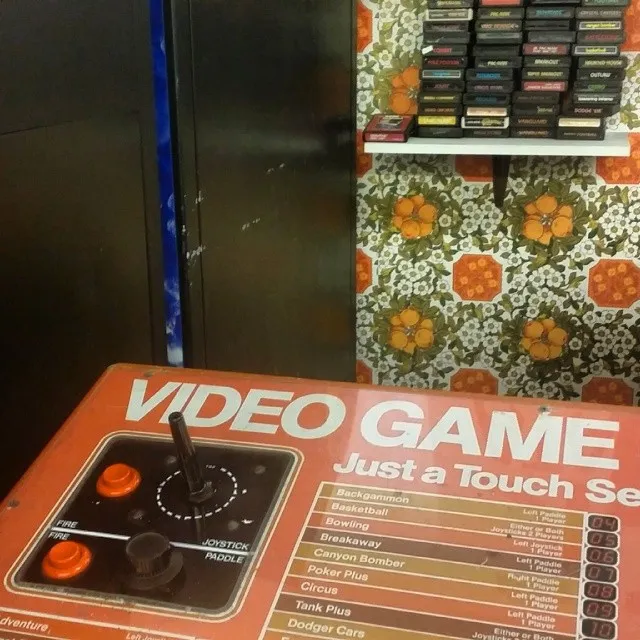
Photo: j bizzie from MINNEAPOLIS, USA, CC BY 2.0, via Wikimedia Commons
Let me tell you how kids in 1987 learned that you could crouch and shoot in Metroid. Nobody told them. There was no glowing waypoint, no tutorial pop-up, no helpful AI companion whispering hints from the corner of the screen. There was a plastic cartridge, a fold-out paper manual with some moody artwork, and a kid in a wood-paneled basement willing to press every button combination imaginable until something happened.
And when that something finally happened? You didn't learn a mechanic. You learned that you are the kind of person who finds things out.
The manual was a teaser, not a guide
Old manuals deserve their own museum wing. They gave you lore, character backstories, and vibe — and almost zero practical instruction. The Legend of Zelda manual told you about Ganon and the Triforce. It did not tell you to burn the bush in the top-left area of the map. That discovery belonged entirely to you, or to the kid down the street, or to a rumor that traveled through an entire elementary school like folklore.
And that's what it was, genuinely: folklore. Playground mythology. The underground water level in Sonic. the blood code in Mortal Kombat. These secrets spread orally, distorted with each retelling, half-verified by somebody's cousin. Figuring out a game was a social and intellectual endeavor, not a content-consumption experience.
What friction was actually building
Here's my thesis, and I'll die on this hill: the confusion was the curriculum.
When a game refuses to explain itself, it forces you into a specific posture toward the world. You observe. You experiment. You form hypotheses and test them and fail and revise. In other words, you do science before you know the word for it. The frustration of not being told what to do builds a muscle — call it self-reliance, call it tolerance for ambiguity — that almost nothing in modern life asks us to develop anymore.
Now contrast that with the present. Quest markers paint the exact route to your objective. Skill trees come pre-optimized by online guides within hours of launch. Games detect when you're struggling and quietly lower the difficulty without telling you, like a restaurant that salts your food less because the chef decided you look unhealthy.
Every one of those conveniences removes a small moment of not-knowing. And we're doing the same thing outside of games. GPS deleted the skill of navigation. Search engines deleted the art of sitting with a question. We've optimized away the productive confusion that used to be the raw material of competence.
The case for getting lost on purpose
I want to be careful here, because this isn't a boomer screed about kids these days. Accessibility in games is a genuine good, and difficulty gating used to exclude people for all the wrong reasons. Nobody should have to suffer to enjoy a story.
But there's a difference between accessibility and total illumination. A game can be welcoming without narrating your every step. The best modern titles — the ones people actually remember — understand this. They leave gaps. They trust the player. And players, it turns out, still love being trusted. The enduring popularity of games built on cryptic systems and community-driven discovery proves the appetite never went away. We just stopped being served.
So here's my modest proposal: the next time you're stuck — in a game, sure, but honestly anywhere — resist the urge to look it up for one more hour. Sit in the not-knowing. Poke at the walls. Burn the bush.
The old games knew something we've forgotten. The map isn't the point. Becoming the kind of person who can read one is.