8-Bit Philosophy Where Pixels Meet Profound Ideas

8-Bit Philosophy

Where Pixels Meet Profound Ideas

Latest Articles

Punish Me Again: The Strange Philosophy Behind Games That Never Let You Win Easy
Culture & Deep Dives

Punish Me Again: The Strange Philosophy Behind Games That Never Let You Win Easy

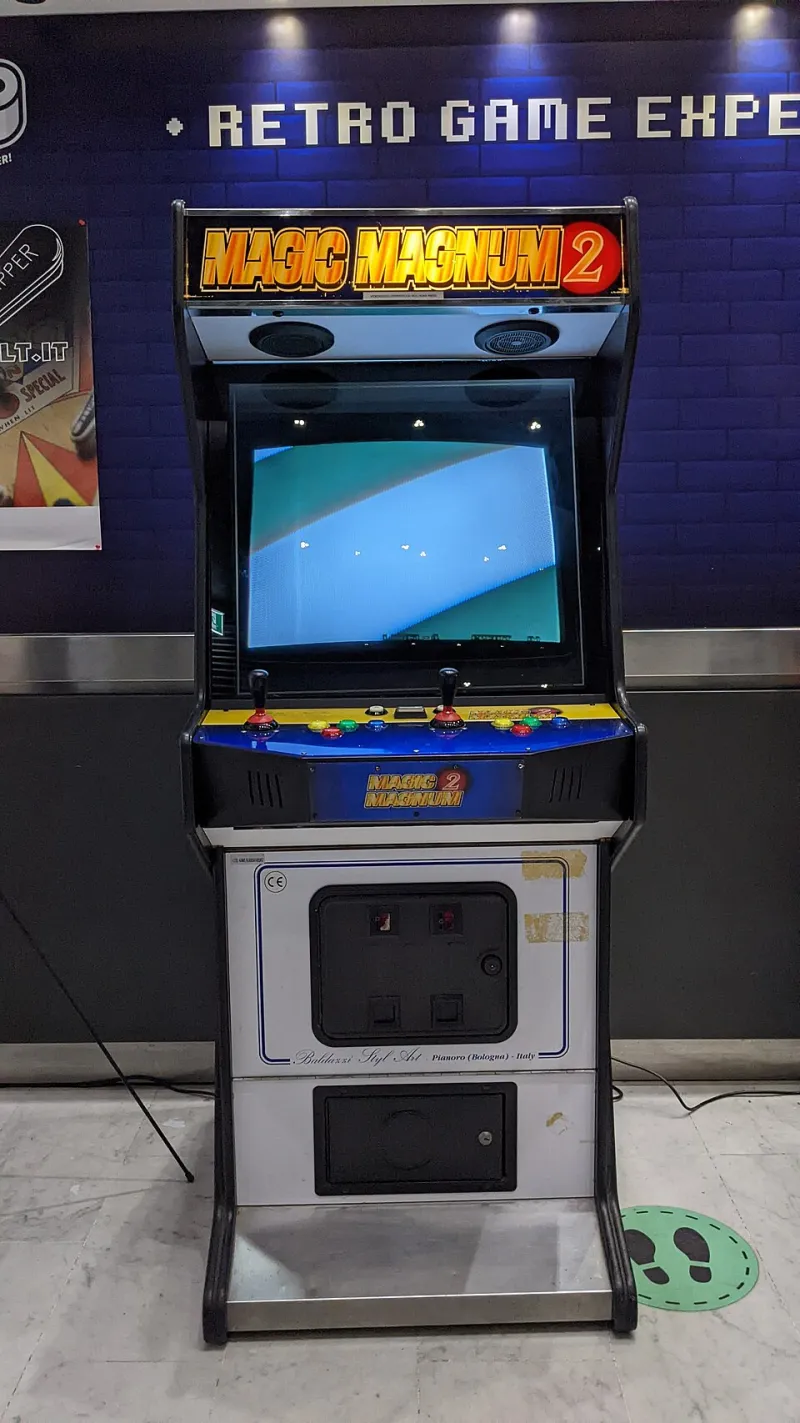
There's a reason millions of people kept pumping quarters into machines that were basically designed to eat their lunch money. Punishing games aren't a bug in gaming history — they might be the whole point. This piece digs into why voluntary suffering inside structured systems feels so much like meaning.

Alone in the Cartridge: How 8-Bit Emptiness Told the Truth About Isolation
Culture & Deep Dives

Alone in the Cartridge: How 8-Bit Emptiness Told the Truth About Isolation

Before open worlds were packed with side quests and chatty NPCs, retro games were accidentally profound — dropping players into vast, silent spaces with no hand-holding and no company. The loneliness baked into titles like Metroid and Castlevania wasn't a design philosophy. It was a hardware limitation. And somehow, that makes it hit harder than anything a modern dev team could engineer on purpose.

Respawn Culture: What We Gave Up When We Made Failure Comfortable
Retro Gaming & Philosophy

Respawn Culture: What We Gave Up When We Made Failure Comfortable

Classic arcade games and NES titles didn't care about your feelings. They ended, permanently and without apology, and somehow that ruthlessness turned out to be one of the most honest philosophical educations a kid in the '80s could get. As modern gaming bends over backward to keep everyone in the game, it's worth asking what we're actually teaching players — and ourselves — when we make failure this easy to walk away from.

One More Quarter: How the High Score Trap Turned Play Into Performance
Culture & Deep Dives

One More Quarter: How the High Score Trap Turned Play Into Performance

The blinking leaderboard at your local arcade wasn't just a scoreboard — it was a psychological feedback loop dressed up in neon pixels. Classic games like Pac-Man and Donkey Kong quietly rewired how we measure worth, and the echoes of that rewiring are all over your Instagram feed. So what exactly did chasing those three-letter initials cost us?

The Ghost in the Memory Card: What Save Points Say About Our Fear of Getting Things Wrong
Retro Gaming & Philosophy

The Ghost in the Memory Card: What Save Points Say About Our Fear of Getting Things Wrong

Before the memory card, every game you played was a one-way street. Then save points arrived and quietly changed everything — not just how we play, but how we think about mistakes, consequences, and the stories we tell ourselves about who we are. The question worth asking now is whether the ability to reload has made us braver or just more afraid of being wrong.

Press Start to Choose: How 8-Bit Games Were Teaching Ethics Long Before Philosophy Class
Retro Gaming & Philosophy

Press Start to Choose: How 8-Bit Games Were Teaching Ethics Long Before Philosophy Class

Long before trolley problems showed up in college syllabi, your NES controller was quietly putting you through a crash course in moral philosophy. Retro games didn't just entertain — they forced you to make decisions that actually felt heavy. Here's why those pixelated dilemmas hit harder than any textbook ever did.

Glitchless and Goalless: What Speedrunners Accidentally Reveal About the Human Search for Meaning
Culture & Deep Dives

Glitchless and Goalless: What Speedrunners Accidentally Reveal About the Human Search for Meaning

Speedrunners shave milliseconds off games designed to take dozens of hours — and somehow, it's one of the most philosophically fascinating things happening in gaming right now. But is chasing the perfect run a form of ancient eudaimonia, or have we just found a new way to optimize ourselves into emptiness? Let's talk about it.