Before You See the Ground: What Blind Jumps in 8-Bit Games Reveal About Faith and Risk

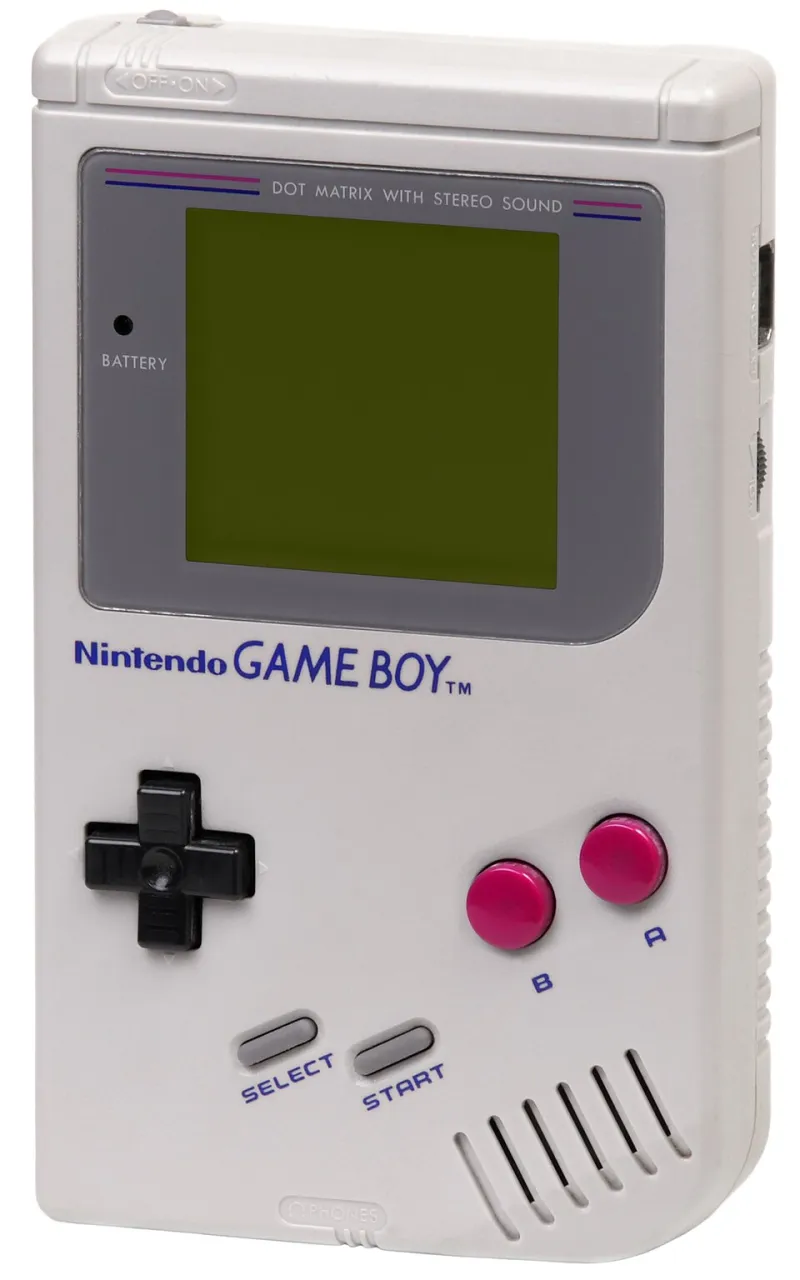
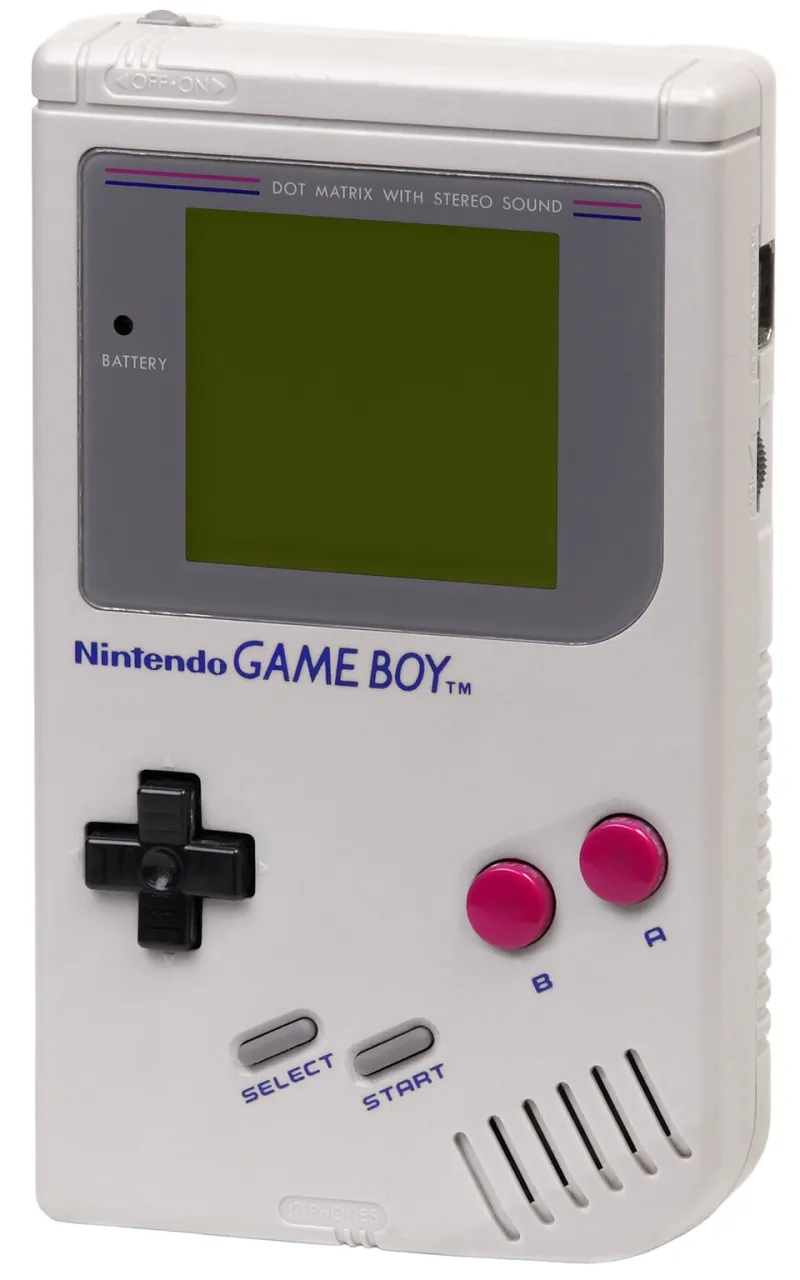
Photo: Dietmar Rabich, CC BY-SA 4.0, via Wikimedia Commons
There's a specific kind of dread that every kid who grew up with a NES controller knows in their bones. You're running full speed across a level, the music is clipping along at that cheerful 8-bit pace, and then — the platform ends. Not with a wall. Not with a warning. Just... an edge. And somewhere below, or maybe just off-screen to the right, there's supposed to be solid ground. Supposed to be.
You jump anyway.
That moment — that split second between leaving the ledge and finding out whether you made it — is one of the most philosophically loaded experiences game design ever accidentally created.
The Ledge Was Never Really About the Ledge
Classic platformers like Super Mario Bros., Mega Man, and Castlevania were built on a constraint that modern games have mostly engineered away: the camera didn't always show you where you were going. Levels scrolled at their own pace. Platforms existed below the visible frame. You had to commit to a direction before the information caught up with your decision.
Game designers at the time weren't necessarily trying to be philosophers. They were working within hardware limits. But those limits created something that open-world games with their sprawling mini-maps and objective markers can't easily replicate — the experience of acting without certainty.
Philosophers have been poking at this problem for centuries. Søren Kierkegaard, the Danish thinker who basically invented the concept of the existential leap, argued that genuine commitment — to a belief, a relationship, a way of living — can never be fully backed by evidence. At some point, you run out of ledge. What you do next defines you more than any careful, fully-informed choice ever could.
Mario, bless his pixelated heart, was doing Kierkegaard before most of us had heard the name.
What Your Thumbs Already Knew
Here's the thing about those blind jumps: you got better at them. Not because the platforms became more visible, but because you started to read the game's internal logic. You learned the rhythm. You noticed that when the music shifted, a gap was coming. You clocked the pattern of how far the designers typically placed the next surface. You built a mental model of a world you couldn't fully see.
That's not just a gaming skill. That's how humans navigate almost every meaningful decision we make.
When you take a new job without knowing if it'll work out, you're jumping. When you tell someone you love them before you're sure how they'll respond, you're jumping. When you start a creative project with no guarantee it'll land, you're jumping. None of these leaps come with a preview of the landing zone. What you're really working with is pattern recognition, hard-won experience, and something that functions a lot like faith — not in a strictly religious sense, but in the basic human sense of trusting that the ground exists even when you can't see it yet.
The 8-bit era forced that skill. You couldn't save-scum your way through Donkey Kong. You couldn't pull up a walkthrough fast enough to avoid committing. You had to decide, and you had to decide now.
When the Pit Seems Bottomless
Not every jump worked out, of course. That's the part the nostalgia sometimes glosses over.
You fell. A lot. The little death jingle played, your remaining lives ticked down, and you watched your character tumble into whatever abyss the designers had cooked up. In Pitfall!, you dropped through the earth. In Super Mario Bros., you sank off the bottom of the screen into some implied void. The game didn't soften it. The pit was real, and you found it regularly.
But here's what's philosophically interesting: falling didn't stop you from jumping again. It couldn't, really, because jumping was the only way forward. The game's entire architecture was built around the assumption that you'd leap, miss, die, and leap again — not because you'd suddenly received new information, but because you'd recalibrated your feel for the jump.
This is closer to how courage actually works than most motivational posters would have you believe. Courage isn't the absence of fear about the gap. It's the accumulated willingness to keep launching yourself forward even after you've hit the bottom a dozen times. The pit doesn't get less real. You just get more convinced that there's something worth jumping toward.
The Design Trick That Taught Us to Trust Ourselves
One underappreciated aspect of classic platformer design is how carefully the difficulty was calibrated — at least in the best games. The jumps that looked impossible usually weren't. The gaps that seemed too wide were, with the right running start, very much crossable. Designers like Shigeru Miyamoto understood intuitively that the perception of risk had to exceed the actual risk by just enough to create tension without creating unfairness.
In other words, the game was constantly telling you: you can do this, even though it doesn't feel like you can.
That's a wild thing to embed in a children's toy. And it worked. Millions of kids trained themselves — through hundreds of deaths and restarts — to override their initial read of a situation. To look at something that screamed "don't" and find the evidence that said "actually, go."
Psychologists call this self-efficacy: the belief that your actions can produce the outcomes you're working toward. It turns out that one of the most effective ways to build self-efficacy is to succeed at tasks that initially felt beyond your reach. Classic platformers were, accidentally or not, self-efficacy machines. Every cleared gap was a small deposit in the account of I can handle things I can't fully see coming.
The Jump You Haven't Taken Yet
There's probably a ledge you're standing on right now. Not a pixel one — a real one. A conversation you've been putting off. A direction you keep circling without committing. A version of your life that requires you to leave the current platform before you can confirm the next one exists.
The 8-bit wisdom here isn't that you should leap blindly into everything. Mario still needed a running start. He still needed to read the level. Recklessness and courage aren't the same thing, and the games knew it — a jump from a dead stop rarely cleared the gap.
But at some point, you've done the reading. You've watched the patterns. You've built whatever mental model the situation allows. And the only thing left is the jump itself.
The ground is probably there. You've made it before. The music's still playing.
You know what to do.