The Level You Were Never Meant to Reach: Why Incompleteness Might Be the Whole Point
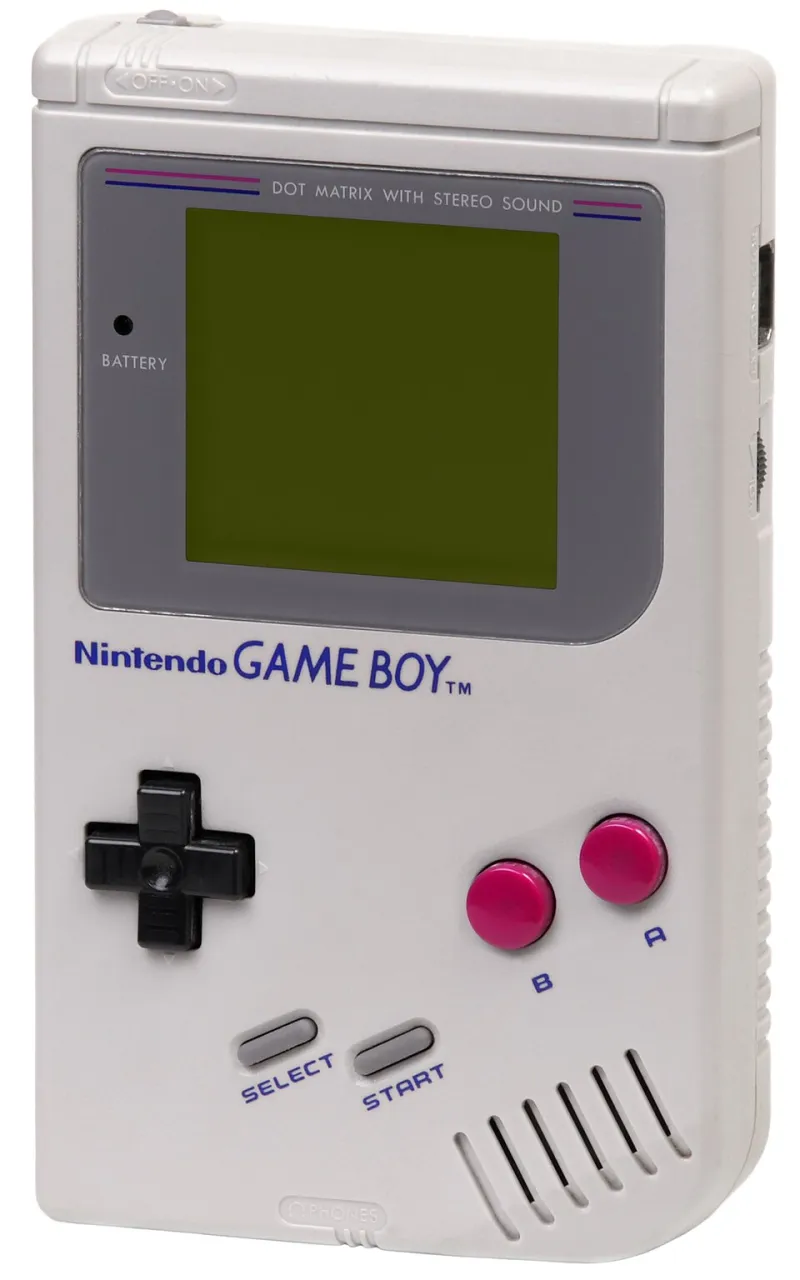
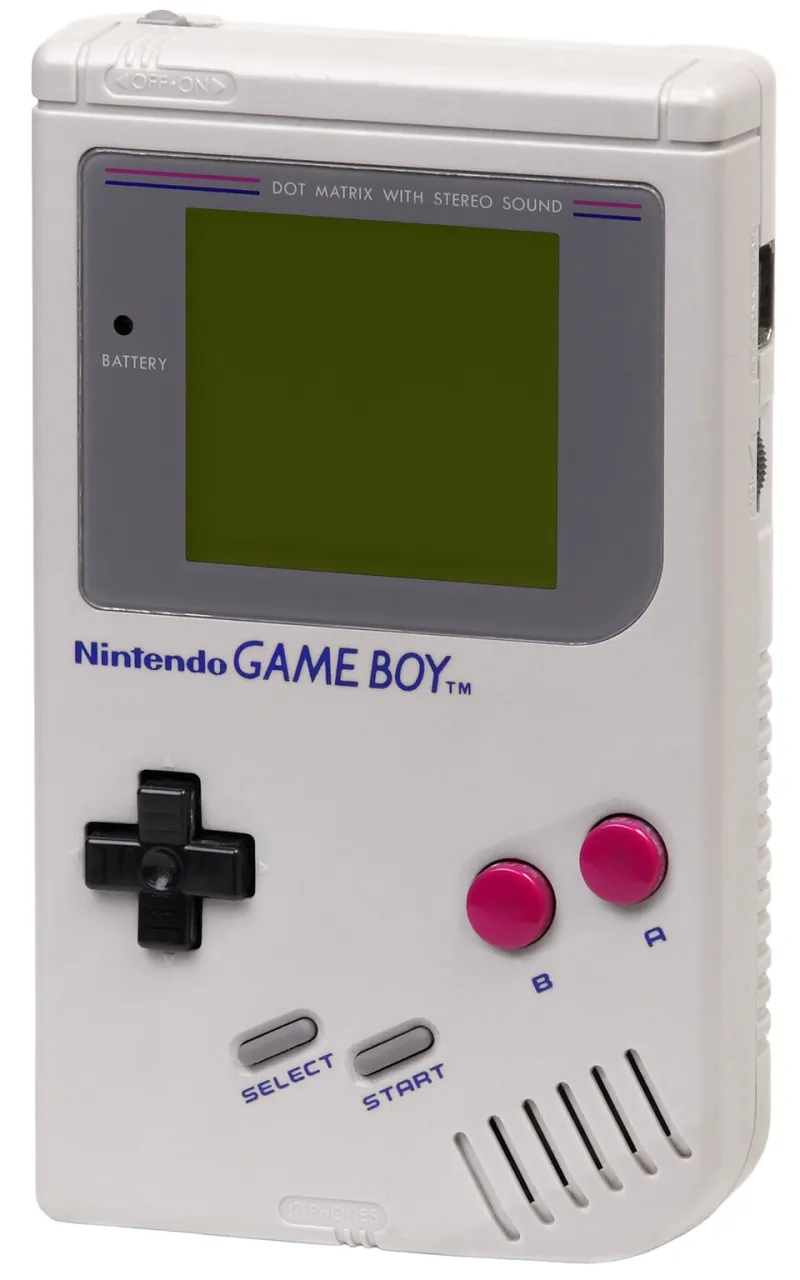
Photo: Evan-Amos, Public domain, via Wikimedia Commons
There's a specific kind of frustration that belongs entirely to retro gaming. Not the frustration of dying on the same platforming section seventeen times — that one you earned. This other kind is quieter and a little weirder. It's the feeling you get when you find a door in an 8-bit dungeon with no key, a staircase that leads to a black screen, or a character who says something cryptic and then just... stands there forever. You circle back. You try every item in your inventory. You consult a FAQ that was typed up in 1998 and hasn't been updated since. Nothing.
Some of those mysteries were bugs. Some were placeholder content the developers forgot to remove. And some — more than most of us want to admit — were never meant to be solved at all.
Welcome to the infinite pit. Pull up a pixel.
The Cartridge Kept Secrets on Purpose
Early game designers worked under brutal constraints. Memory was scarce, deadlines were tighter than a speed-runner's routing, and the tooling to test every possible player behavior basically didn't exist. What came out the other side of those conditions wasn't polished — it was weird. Games like The Legend of Zelda, early Final Fantasy titles, and countless forgotten NES action-platformers were riddled with rooms that served no mechanical purpose, text strings that referenced cut content, and hidden counters that tracked stats nobody ever asked for.
And players loved it. Not despite the mystery — because of it.
There's something almost sacred about a game world that doesn't fully explain itself. When you stumbled onto a walled-off section of Metroid that your current abilities couldn't crack, the game wasn't punishing you. It was gesturing toward something bigger than the current moment. It was saying: you are not done here, and that's okay.
The question worth sitting with is why that feeling — which should be maddening — so often felt like wonder instead.
FOMO Before We Had a Word for It
Fast forward to now, and the cultural relationship with incompleteness has gotten a lot more anxious. We have achievement trackers that show you exactly what percentage of a game you've completed. We have content roadmaps and season passes and live-service models designed to make sure you're always aware of what you haven't done yet. The industry spent decades figuring out how to quantify everything you're missing, and then it handed you that number on a regular basis.
The result is a kind of low-grade dread that bleeds well past gaming. Social media feeds are engineered around the same principle — always surfacing the conversation you weren't part of, the event you didn't attend, the reference you didn't catch. The modern American information diet is basically one long highlight reel of your own incompleteness.
But here's the thing: the old cartridge didn't tell you what you were missing. It just had gaps. And somehow, that was easier to live with.
What the Broken Mechanics Actually Taught Us
There's a philosophical tradition — going back way further than 8-bit graphics — that argues human beings are fundamentally incomplete creatures. Not in a depressing way, but in a structural one. The existentialists talked about how we're always in the process of becoming rather than simply being. The Zen concept of mushin suggests that the mind performs best when it stops grasping for total control. Even in Western pragmatism, thinkers like William James argued that reality itself is unfinished, still being made.
Retro games, almost accidentally, modeled this idea in interactive form.
When a game mechanic broke in an interesting way — when you clipped through a wall in Super Mario Bros. and found yourself in a scrambled world full of nonsense enemies and impossible geometry — you weren't experiencing failure. You were experiencing the edges of a system. The game was showing you, in the most literal way possible, that its world had limits. That it was made, not infinite. That behind the curtain was just code doing its best.
There's something genuinely freeing about that. Once you see the seams, you stop expecting the illusion to be perfect.
The Philosophy of the Uncleared Room
Let's get specific for a second. Think about the blank rooms in early Castlevania entries — spaces that appeared on your map but contained nothing. No enemies, no items, no story beats. Just a room that existed. Players spent years theorizing about what those spaces were for. Some decided they were leftovers from cut content. Others convinced themselves they were hiding something that nobody had found yet.
Both might be true. Neither changes the experience of standing in that empty room and feeling the weight of not knowing.
Philosophers sometimes call this epistemic humility — the recognition that there are things you don't and can't know, and that this limitation isn't a personal failure. It's just the condition of being a finite mind in a complicated world. The empty room in the castle doesn't mean you played wrong. It means the castle is bigger than your understanding of it.
Most of us were never taught to be comfortable with that. We were taught to find the answer, complete the assignment, get the grade. Incompleteness was something to fix, not something to sit with.
The old games disagreed.
Learning to Leave the Door Locked
Here's what a generation of retro gamers figured out, often without consciously realizing it: some doors are worth leaving locked. Not every mystery rewards the effort of solving it. Not every percentage point on a completion tracker represents something that mattered.
This isn't an argument for giving up or settling. It's an argument for selectivity — for choosing which incompleteness bothers you and which one you can make peace with. The speedrunner who deliberately skips entire sections of a game to focus on what they care about isn't failing to complete the game. They're completing their game.
That reframe is more radical than it sounds. In a culture that measures worth by output, by followers, by credentials stacked on top of credentials, the idea that you might intentionally leave some rooms uncleared — that you might look at the locked door and walk past it without anxiety — feels almost countercultural.
But the cartridge was always trying to tell you this. Some levels you were never meant to reach. Some secrets were never meant to be cracked. And the game didn't stop being worth playing because of it.
Pixels, Gaps, and the Good Enough
Maybe the real gift those old, half-broken, secretly-incomplete games gave us was a low-stakes rehearsal space for a very high-stakes skill. Learning to be okay with not finishing. Learning to appreciate the texture of a world that doesn't fully explain itself. Learning that a blank room on the map isn't an accusation — it's just part of the territory.
You don't have to 100% the game. You don't have to 100% the life.
Some pits are infinite. Some doors stay locked. And somewhere in accepting that, there's a version of freedom that no achievement notification is ever going to hand you.