Die a Thousand Times: What Unbeatable Bosses Actually Teach You About Yourself
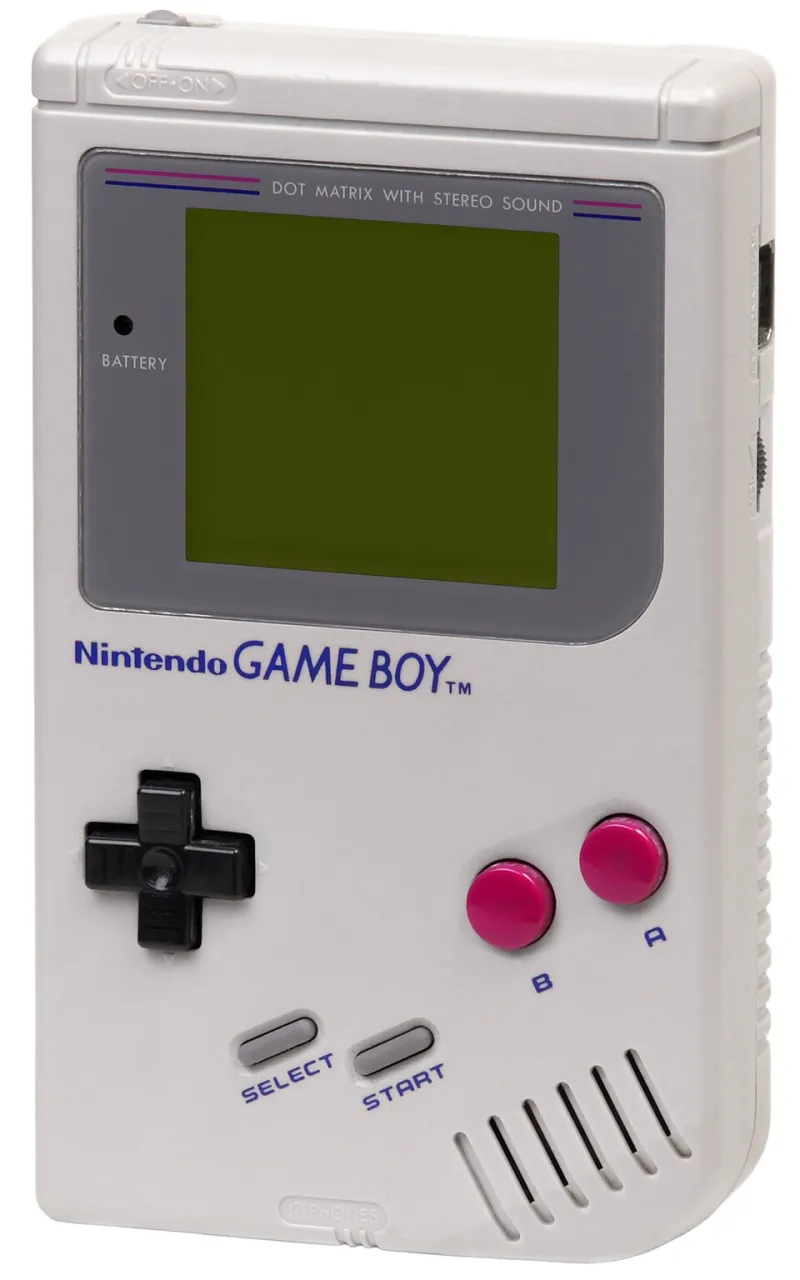
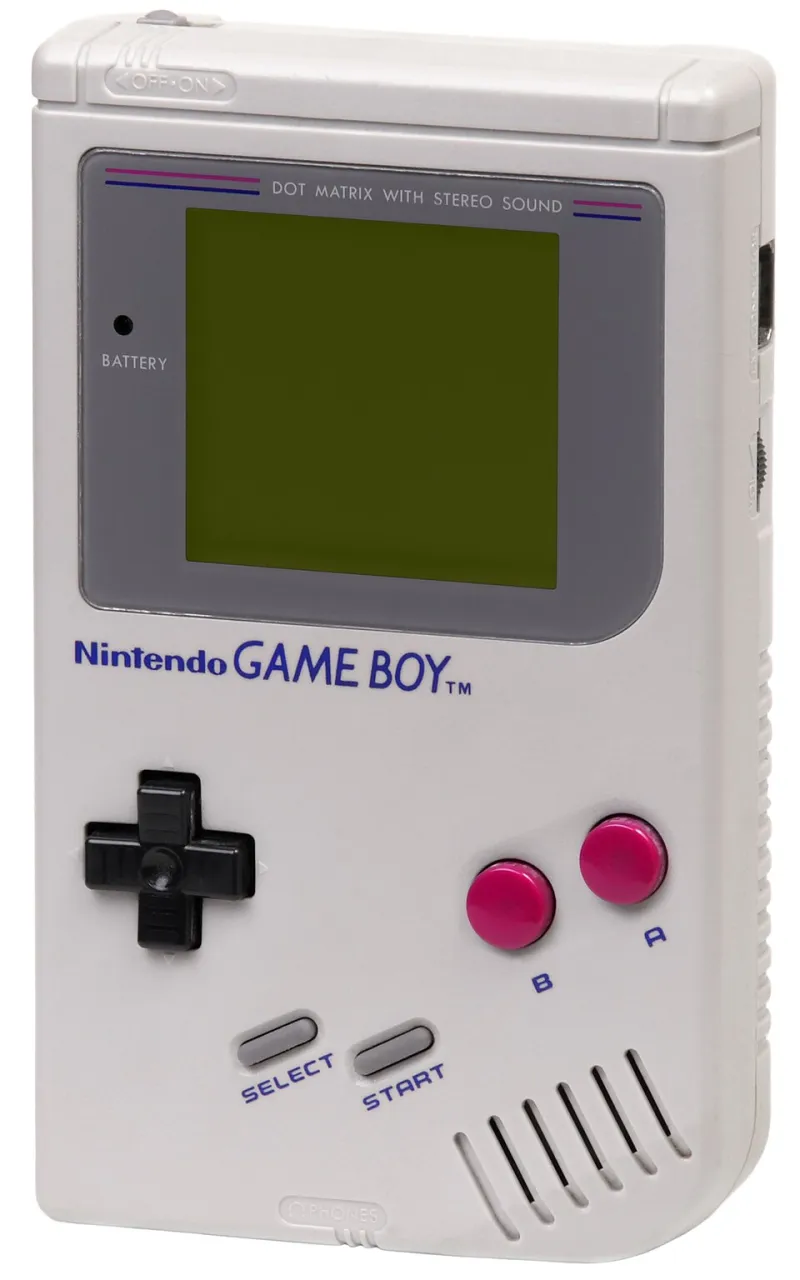
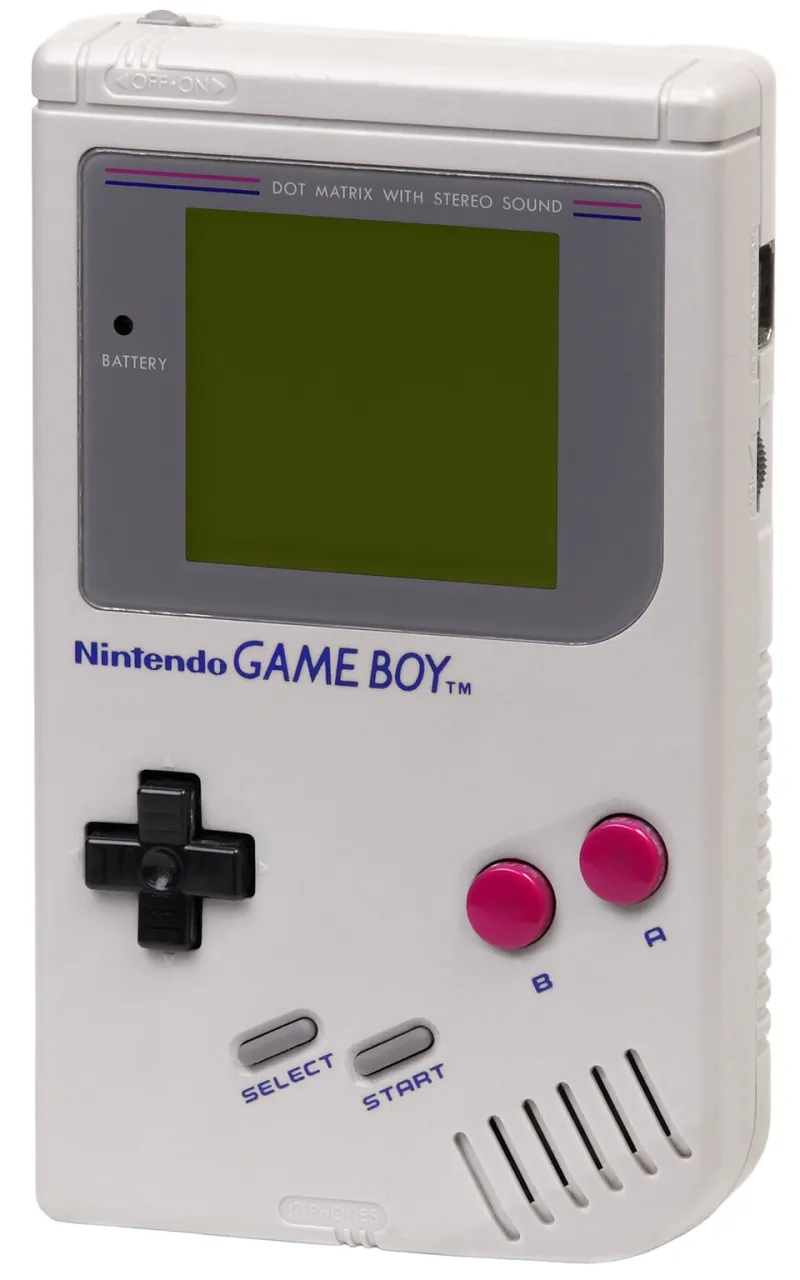
Photo: Evan-Amos, Public domain, via Wikimedia Commons
There's a specific kind of silence that happens after you die to the same boss for the forty-seventh time. The game over screen blinks. The chiptune fanfare plays its little funeral march. And for just a second, you sit there staring at the TV with this hollow, specific feeling that's somewhere between exhaustion and something weirdly close to respect.
You know the boss. You know every boss. Guts Man. Mother Brain. Mike Tyson in Punch-Out!! That final castle in Ghosts 'n Goblins that basically laughs at you for thinking you'd won. These weren't just hard fights — they were events. They occupied real estate in your brain for weeks. Months, sometimes.
And here's the thing nobody really talks about: a lot of us never actually beat them. Not back then, anyway. We borrowed the cartridge, we tried, we failed, we handed it back. Life moved on. But those bosses stayed with us.
So what exactly did they teach us?
The Pattern Is the Point
Here's the foundational mechanics of any classic boss fight: it has a pattern. Every movement, every attack, every vulnerability window — it's a loop. The boss isn't improvising. It can't. What it can do is execute that pattern faster, more aggressively, and with less margin for error than almost anything else in the game.
Your job, as the player, is to absorb the pattern through repetition until your hands know it before your brain does.
That process — fail, observe, adjust, fail again, observe more carefully, adjust again — is one of the most honest models of learning that exists. Not theoretical learning. Not reading-about-something learning. The kind of learning that only happens when failure has real consequences and you have to keep showing up anyway.
Philosophers call this kind of knowledge tacit knowledge — the stuff you can't fully explain in words but that lives in your body, your instincts, your muscle memory. You don't beat Mike Tyson by thinking your way through his blink-tells. You beat him by dying enough times that your nervous system finally gets it.
Life's worst obstacles work the same way. The first time you navigate a serious breakup, a job loss, a health scare — you're basically on your first attempt at the boss. You don't have the pattern yet. You're just taking hits and trying not to die. But somewhere around the third or fourth time life throws something similar at you, something shifts. You start to recognize the tells. You know when the punch is coming.
Victory Isn't Always the Metric
Here's a more uncomfortable idea: what if the boss was never supposed to be beaten by everyone?
Ghosts 'n Goblins is a useful case study. The game was — and remains — punishingly difficult by design. The developers weren't trying to be cruel exactly, but they weren't particularly interested in making sure every player reached the end either. Completion was a privilege earned through obsessive repetition, not a right extended to anyone who picked up the controller.
For most American kids renting that cartridge over the weekend, the ending was simply not available to them. And yet those same kids remember the game vividly. They remember trying. They remember specific deaths, specific moments of almost-progress, specific stages of the map.
There's a philosophical tradition — most clearly articulated by Albert Camus — that argues meaning doesn't come from winning. It comes from the act of continuing to engage with something that resists you. Sisyphus, rolling his boulder forever, is Camus's model of a meaningful life — not because the boulder ever stays at the top, but because Sisyphus keeps choosing to push.
The kid who never beat Ghosts 'n Goblins but played it forty times anyway? That kid wasn't failing. That kid was doing philosophy.
What Defeat Actually Does to You
There's a version of self-help culture that treats every obstacle as a puzzle with a solution, every setback as a setup for a comeback, every loss as a lesson on the way to winning. And look — sometimes that's true. Sometimes you do beat the boss eventually.
But there are bosses in life you don't beat. There are diseases that don't go into remission. There are relationships that don't get repaired. There are dreams that close off not because you didn't try hard enough, but because the window genuinely closed.
Classic 8-bit games, at their most honest, acknowledged this. Some of them literally could not be completed — not because of glitches, but because the loop was infinite. The game wasn't building toward a resolution. It was testing how long you'd stay.
The philosophical question worth sitting with isn't how do I beat this? It's who am I becoming while I try?
Repeated failure at something genuinely difficult doesn't leave you unchanged. It strips away certain illusions — about your own invincibility, about the fairness of systems, about the relationship between effort and outcome. What's left after those illusions are gone is something more durable. More honest. A self that has been stress-tested rather than just theorized about.
The Boss You Carry With You
There's a reason people still talk about certain boss fights decades later. It's not pure nostalgia. It's that those encounters were genuinely formative — small crucibles inside a plastic cartridge that asked you a real question: are you going to keep going?
The answer you gave, and the process you went through to arrive at it, shaped something. Maybe you learned patience. Maybe you learned when to quit. Maybe you learned that the attempt itself had value independent of the result. Those aren't small lessons. Those are the kind of lessons people pay therapists and life coaches to help them find.
And you got them for a quarter at the arcade, or a weekend rental from Blockbuster, or from a cartridge your older cousin lent you with a warning that you'd never actually finish it.
The impossible boss wasn't a bug in the design of those games. It was the whole curriculum.
So the next time something in your actual life feels like a wall — something that hits hard, resets you constantly, and doesn't seem to care how many times you've tried — maybe the move isn't to immediately look for the strategy guide. Maybe the move is to stay in the room with it a little longer. Watch the pattern. Take the hit. Try again.
You might beat it eventually. Or you might not. Either way, you'll know yourself better by the time you find out.