You Can't Walk Through That Wall: What Retro Collision Boxes Reveal About the Limits We Build Inside Ourselves

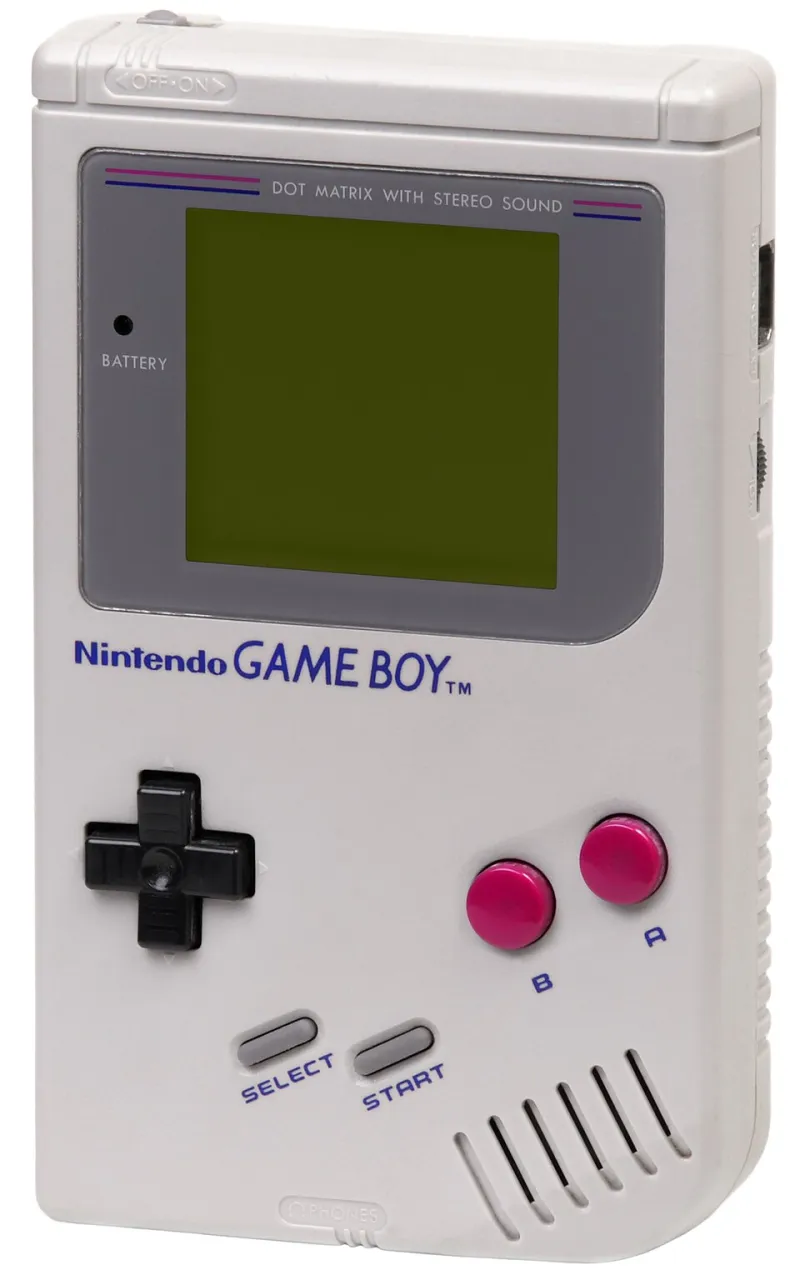
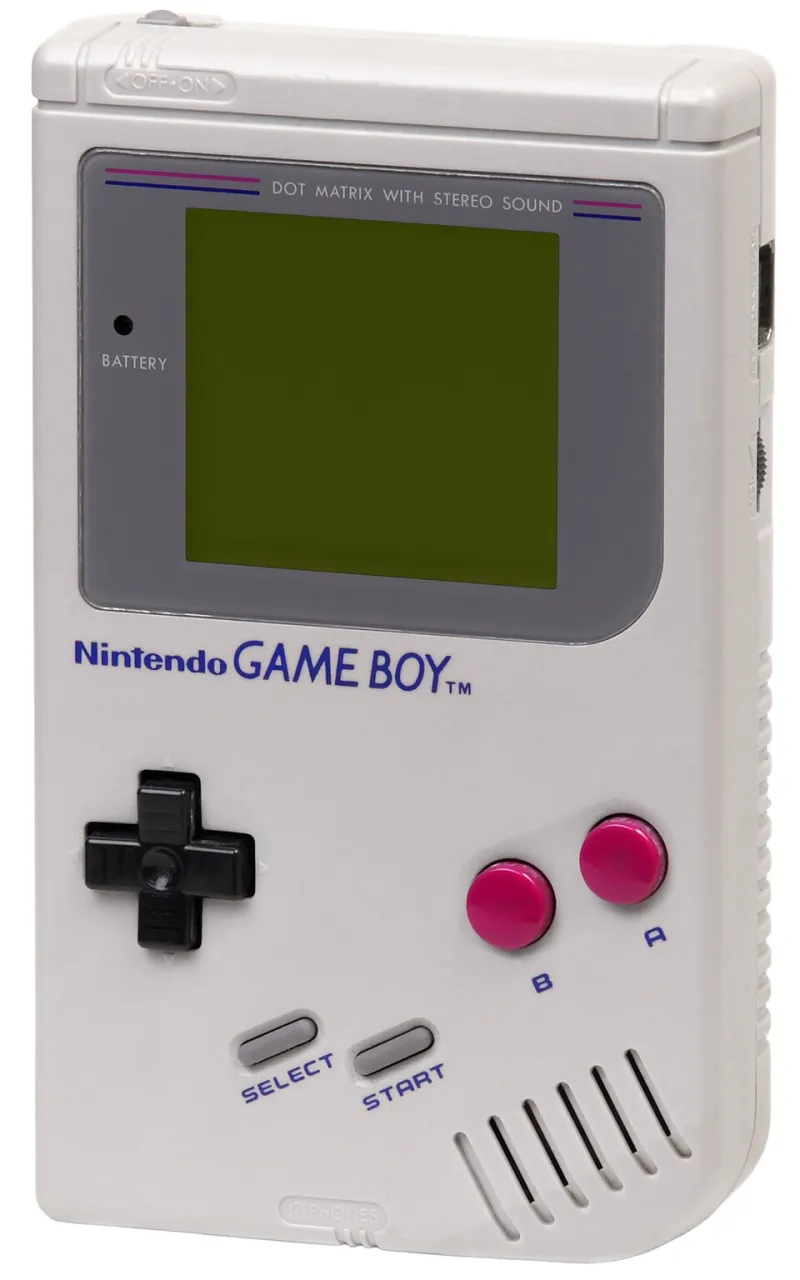
Photo: Dmitry Terekhov from Odintsovo, Russian Federation, CC BY-SA 2.0, via Wikimedia Commons
There's a specific kind of frustration that every retro gamer knows by heart. You're pushing your character toward what looks like open space — a gap in the scenery, a path that seems to continue — and then nothing. The sprite stops cold. No explosion, no warning sound, no flashing text. Just an invisible wall, sitting there like it owns the place.
Game designers called it collision detection. Players called it annoying. But looking back at it now, that silent, unseen boundary might have been one of the most honest things those old cartridges ever showed us.
The Wall You Never Saw Coming
Early hardware couldn't afford to render obvious barriers everywhere. There wasn't enough memory to build a visible fence around every edge of every level. So developers leaned on something cheaper and more elegant: invisible geometry. The game knew where you couldn't go, even if you couldn't see why.
This created a peculiar dynamic. The player's experience of freedom was always slightly smaller than it appeared. You could see space that you couldn't occupy. The world looked open. The code disagreed.
Sound familiar?
Psychologists have spent decades studying what they call self-limiting beliefs — the internal narratives we carry around that quietly define what we think is possible for us. They're not laws of physics. They're not written down anywhere. But they function exactly like collision boxes: invisible, consistent, and almost completely invisible until you run straight into one.
External Edges vs. Internal Architecture
Here's a distinction worth sitting with. In old games, some boundaries were genuinely structural. The edge of the screen in Pac-Man. The kill plane at the bottom of a Donkey Kong stage. These weren't arbitrary — they were the actual limits of the designed space. Running into them wasn't a failure of imagination. It was just physics.
But other boundaries were softer. Optional, even. A wall that blocked one path in a side-scroller might have been placed there because the developers hadn't built anything beyond it yet — not because the player couldn't handle what was on the other side. The constraint was about the game's limitations, not the player's.
We rarely make that distinction in our own lives. We treat every wall the same way: as permanent, structural, non-negotiable. The fear of public speaking and the inability to breathe underwater get stored in the same mental filing cabinet. One is a real biological limit. The other is a collision box someone installed in your head — maybe a teacher who laughed at the wrong moment, maybe a parent who said "people like us don't do things like that," maybe just a string of bad experiences that your brain quietly archived as universal law.
The Programmer Who Lives in Your Head
This is where it gets genuinely weird. In a video game, there's a clear chain of responsibility. A developer wrote the code. The code defines the collision. You, the player, had nothing to do with it.
But in real life? We're often the ones who wrote the code. Not consciously, not maliciously — but we built the architecture based on what happened to us, what we were told, what we watched other people do or not do. By the time we're adults, most of us are running on a map of the world that was drawn when we were ten years old.
The philosopher Alfred Korzybski had a line that's gotten a lot of mileage since he first said it: "The map is not the territory." The representation of a thing is not the thing itself. In gaming terms — the collision box is not the wall. The wall might not even be there.
The problem is that you can't easily see the difference from inside the game.
What Happens When Someone Glitches Through
Speedrunners figured something out that most players never bother to test: some of those invisible walls have holes in them. Not bugs, exactly — more like edge cases. Places where the collision detection got lazy, or where two rules contradicted each other and the game just kind of... forgot to stop you.
Watching a skilled speedrunner clip through a wall that you spent years treating as solid is one of the more philosophically disorienting things you can experience as a gamer. The wall was always permeable. You just never tried the right angle.
People who challenge their self-imposed limits describe something similar. The boundary that felt absolute starts to look different when you approach it from an unexpected direction — a different skill set, a different social context, a different way of framing what you're attempting. The limit doesn't disappear. But it turns out it had edges you never explored.
This isn't toxic positivity. Not every wall is a glitch. Some constraints are real, and pretending otherwise is its own kind of delusion. But the honest work — the actually difficult philosophical work — is learning to tell the difference between a wall that's genuinely load-bearing and one that's just been there so long you stopped questioning it.
Living in the Playable Zone
Here's the uncomfortable part. Most of us have made peace with a playable zone that's smaller than it needs to be. Not because we're lazy or cowardly — but because the invisible walls work. They keep us in familiar territory. They reduce the cognitive load of deciding what's possible. They make the game feel manageable.
There's even something rational about it. You can't spend every waking moment testing every boundary. At some point you just need to play the level in front of you. The question is whether you've chosen that zone or whether you've just... stopped noticing the walls.
Retro games, for all their pixelated simplicity, had a strange habit of making the invisible visible — if only by making you slam into it at full sprint. That sudden stop, that moment where the character just won't go any further for no apparent reason, was actually a tiny philosophical lesson dressed up as a technical limitation.
Some of what stops you is real. Some of it is code that someone else wrote. And some of it — maybe more than you'd like to admit — is code you wrote yourself, a long time ago, that you just never thought to update.
The wall might not be structural. It might just be waiting to see if you'll try a different angle.