Fireball, Wait, Jump: Five Retro Bosses Who Proved Authority Is Mostly a Pattern

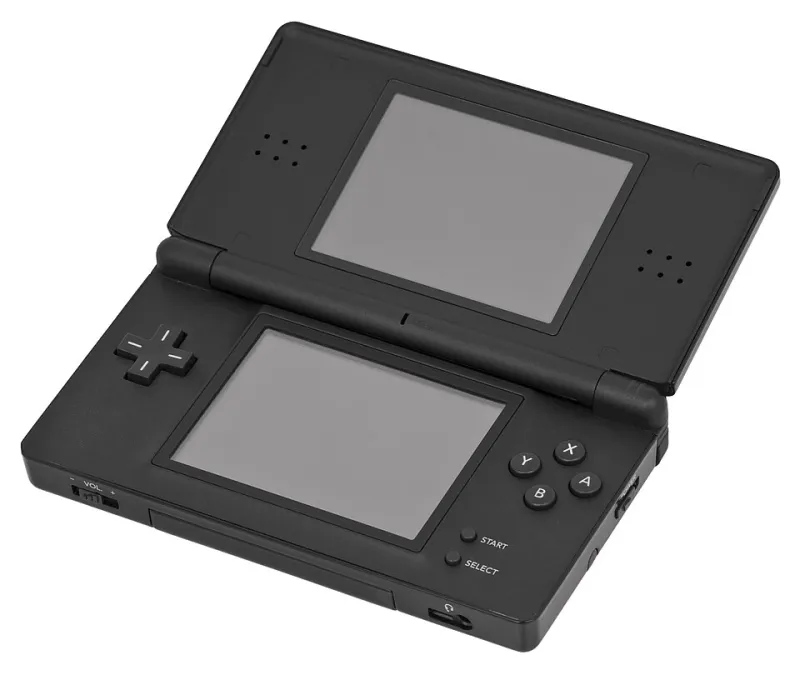
Photo: Marek Ślusarczyk (Tupungato) Photo portfolio, CC BY 3.0, via Wikimedia Commons
Every 8-bit boss is a bluff. That's the secret nobody says out loud. They arrive with screen-shaking fanfare, a health bar the length of the level, and a name that sounds like a metal album. And within ninety seconds, a kid with a NES Advantage has them down to a memorized choreography: jump here, shoot there, repeat.
The boss never adapts. The boss never learns. The boss just postures, forever. Which makes retro boss fights maybe the sharpest satire of institutional authority ever shipped on a cartridge.
Let's meet five of the worst offenders.
1. Dr. Wily (Mega Man 2) — The Middle Manager's Manager
Wily commands an army of robot masters, a skull-shaped fortress, and what appears to be an unlimited R&D budget. His actual threat level? He sits in a flying saucer and moves in a fixed arc. His entire operation is defeated by a boy who beat his employees one at a time and stole their skills.
Wily is every executive who's never touched the product. The fortress is impressive. The org chart is intimidating. The actual work gets done by people underneath him, and the whole structure collapses the moment someone works through it systematically.
2. The Tetris Stack (Tetris) — Bureaucracy Itself
Okay, technically not a boss. But what else do you call an adversary that grows regardless of what you do, punishes you for your own decisions, and is governed by rules that never change and never explain themselves?
The stack is the DMV. The stack is your inbox. It doesn't hate you — it simply accumulates, and the only counterplay is to accept its rules completely and turn them into line clears. You cannot defeat Tetris. You can only become fluent in it. Which, come to think of it, is most people's relationship with corporate policy.
3. Mike Tyson (Punch-Out!!) — The Gatekeeper Who Wants You to Learn
Tyson is the final boss as pure gatekeeping: one-punch knockdowns, a two-minute timer, a body that telegraphs every move if you know how to read it. Here's the twist — his invincibility is instructional. He's teaching you, through violence, exactly how to beat him.
Real gatekeepers do this too, they just don't know it. The hiring process, the submission guidelines, the "we're not taking new clients" — every wall tells you what the wall values. Tyson falls in round two once you've learned the language. So does every gate that was really just a test of persistence.
4. Bowser (Super Mario Bros.) — Power That Can't Turn Around
Bowser has a castle, lava, an axe, and a princess. He also has one attack — a fireball with a fixed rhythm — and a bridge he cannot leave. His authority is entirely situational. Lure him into his own trap and the kingdom unlocks instantly.
The lesson: a lot of intimidating power is spatial. It only works inside the room it controls. Take the meeting off the calendar, take the negotiation out of the boss's office, and suddenly the fireballs stop.
5. Mother Brain (Metroid) — The Institution Behind the Door
You can't even reach Mother Brain without finding the right missiles, the right doors, the right sequence of hidden passages. She's authority as infrastructure — protected by layers of procedure, immune to frontal assault.
And yet Samus doesn't argue with the system. She collects what the system requires and walks through it. Sometimes the answer to a locked door isn't confrontation. It's credentials.
The Pattern Behind the Patterns
What ties all five together is this: boss fights are authority reduced to mechanics, and mechanics can be learned. Real-world power feels scarier because it's vague. But watch long enough, take notes, die a few times — and most authority reveals itself as a loop. Fireball, wait, jump.
The bosses were never the problem. Believing they couldn't be learned was.